
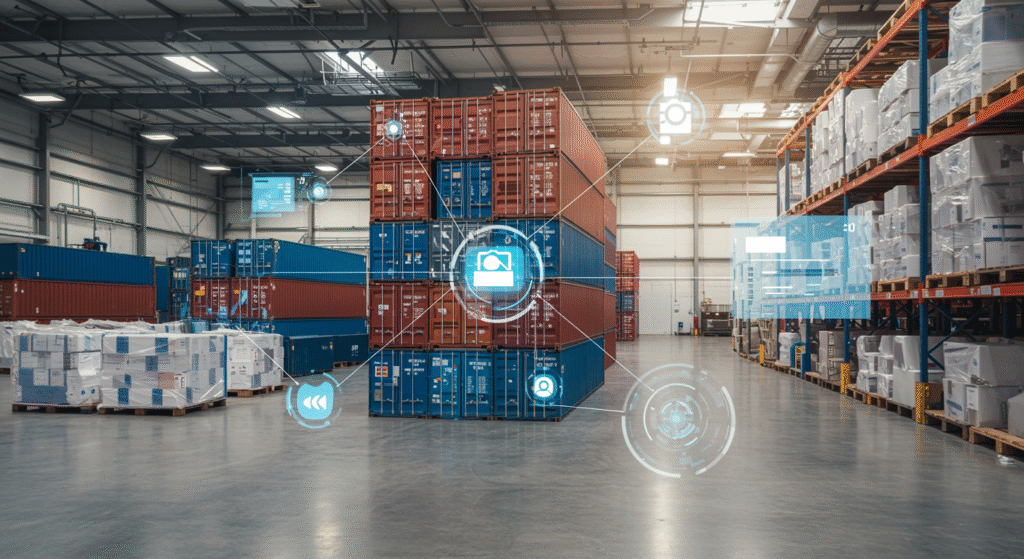
VeChain has emerged as a leading blockchain platform specifically designed to revolutionize supply chain transparency through advanced traceability solutions and strategic industry partnerships. By leveraging distributed ledger technology, IoT integration, and real-time tracking capabilities, VeChain addresses the complex challenges of modern global supply chains where visibility and authenticity are paramount.
The platform’s significance extends far beyond basic record-keeping, as it actively combats counterfeiting, reduces inefficiencies, and establishes trust across multi-tier supply networks on a global scale. VeChain’s dual-token architecture and enterprise-focused approach position it as a critical infrastructure for businesses seeking to meet growing consumer demands for transparency and regulatory compliance requirements.
Why Transparency Is a Challenge in Global Supply Chains
Global supply chains face unprecedented complexity as products traverse multiple countries, suppliers, and distribution channels before reaching end consumers. Traditional tracking methods struggle to maintain visibility across these intricate networks, leading to information gaps, fraud vulnerabilities, and compliance challenges. The interconnected nature of modern commerce demands sophisticated solutions that can bridge disparate systems while maintaining data integrity.
Legacy infrastructure often relies on paper-based documentation and siloed databases that create bottlenecks and opportunities for manipulation. These fragmented systems make it nearly impossible to trace products back to their origins or verify authenticity claims, leaving businesses and consumers vulnerable to counterfeit goods and supply chain disruptions.
| Issue | Impact | Traditional Solution | Gaps |
|---|---|---|---|
| Data Fragmentation | Limited end-to-end visibility | EDI systems and manual reconciliation | Incompatible formats, delayed updates |
| Counterfeiting | Brand damage and consumer safety risks | Serial numbers and authentication stickers | Easy replication, no real-time verification |
| Regulatory Compliance | Audit failures and penalties | Paper trails and periodic audits | Document loss, human error, retrospective analysis |
| Vendor Verification | Quality inconsistencies and reputational risks | Supplier audits and certifications | Point-in-time assessments, limited ongoing monitoring |
Counterfeiting and Data Manipulation Risks
Counterfeiting represents one of the most significant challenges facing global supply chains, with fraudulent products infiltrating legitimate distribution networks through sophisticated schemes. Criminal organizations exploit weak authentication systems by creating convincing replicas of popular products, often using similar packaging and documentation that can fool traditional verification methods.
Data manipulation compounds these risks as bad actors exploit centralized systems to alter records, timestamps, and product histories to legitimize counterfeit goods or hide quality issues. The lack of immutable record-keeping allows for retrospective changes that obscure the true journey of products, making it extremely difficult for businesses and regulators to identify fraud until significant damage has occurred.
Industry-Specific Factors Driving Transparency Needs
Different industries face unique transparency challenges that require tailored blockchain solutions to address sector-specific risks and regulatory requirements. Food safety concerns drive demand for farm-to-fork traceability that can quickly identify contamination sources during recalls. Pharmaceutical supply chains must combat drug counterfeiting while maintaining cold chain integrity for temperature-sensitive medications.
Luxury goods manufacturers struggle with brand protection as counterfeiters target high-value items with sophisticated replicas that can fool traditional authentication methods. Each sector requires specialized approaches to transparency that account for industry regulations, consumer expectations, and operational complexities.
- Food Safety: Contamination tracking, origin verification, and rapid recall capabilities across complex agricultural networks
- Pharmaceuticals: Anti-counterfeiting measures, cold chain monitoring, and regulatory compliance for drug authenticity
- Luxury Goods: Brand protection, authenticity certification, and consumer verification tools for high-value items
- Automotive: Parts traceability, recall management, and supplier verification for safety-critical components
- Fashion: Ethical sourcing verification, sustainability tracking, and labor condition transparency
- Electronics: Component authenticity, conflict mineral compliance, and lifecycle management for responsible disposal
How VeChain’s Blockchain Creates Transparent Supply Chains
VeChain’s blockchain architecture revolutionizes supply chain transparency through its sophisticated dual-token system that separates value transfer from operational functionality. The VET token provides economic value and network governance, while VTHO serves as the energy source for transaction processing, creating a sustainable economic model that supports enterprise-scale deployments without volatile transaction costs.
The platform’s immutable ledger technology ensures that once data is recorded, it cannot be altered or deleted, providing an auditable trail of product journeys from origin to consumer. This immutability creates unprecedented trust in supply chain data, as all stakeholders can verify information independently without relying on centralized authorities or intermediaries that might have conflicting interests.
VeChain’s enterprise integration capabilities allow seamless connection with existing IT infrastructure through APIs and middleware solutions that bridge blockchain technology with traditional enterprise resource planning systems. This integration approach reduces implementation barriers while maintaining the security and transparency benefits of distributed ledger technology.
Smart contract functionality automates complex supply chain processes such as quality verification, payment releases, and compliance reporting, reducing manual intervention and associated errors. These programmable contracts execute predetermined actions when specific conditions are met, creating self-enforcing agreements that increase efficiency and reduce disputes between supply chain partners.
The Proof of Authority (PoA) Consensus Model Explained
VeChain’s Proof of Authority consensus mechanism addresses the scalability and energy efficiency challenges that plague traditional blockchain networks while maintaining the security and decentralization needed for enterprise applications. This consensus model relies on pre-approved validator nodes that have established reputations and vested interests in maintaining network integrity, creating a more predictable and stable operational environment.
| PoA Characteristic | Business Benefit |
|---|---|
| Energy Efficiency | Reduced operational costs and environmental impact for sustainable operations |
| Predictable Transaction Costs | Stable budgeting and financial planning for enterprise blockchain deployments |
| High Transaction Throughput | Real-time data processing for complex supply chains with millions of transactions |
| Governance Transparency | Clear decision-making processes and stakeholder representation in network evolution |
IoT and Digital Tagging: The Backbone of VeChain Traceability
VeChain’s integration with Internet of Things devices creates a comprehensive data capture ecosystem that transforms physical products into digitally traceable assets throughout their lifecycle. This convergence of blockchain technology with IoT sensors enables real-time monitoring of environmental conditions, location tracking, and automated data collection that would be impossible with manual processes.
Digital tagging through NFC chips, QR codes, and RFID technology provides unique product identities that connect physical items to their blockchain records. These tags serve as immutable digital passports that carry complete product histories, authenticity certificates, and real-time status updates accessible to authorized stakeholders across the supply chain.
- Product Registration: Manufacturing details, materials, and quality metrics are recorded at production with unique digital identifiers assigned to each item
- Sensor Data Integration: IoT devices continuously monitor environmental conditions such as temperature, humidity, and location throughout transit
- Blockchain Entry Creation: All sensor readings and status changes automatically generate tamper-proof blockchain entries with timestamps and digital signatures
- Smart Contract Execution: Predefined conditions trigger automated actions such as alerts for temperature violations or payment releases upon delivery confirmation
- Consumer Verification: End users can scan digital tags to access complete product histories and verify authenticity through mobile applications
- Analytics and Insights: Aggregated blockchain data provides valuable insights into supply chain performance, bottlenecks, and optimization opportunities
Sensor Integration and Real-World Data Capturing
Advanced sensor networks deployed throughout VeChain-enabled supply chains continuously monitor critical parameters that affect product quality and safety. Temperature sensors ensure pharmaceutical cold chain integrity by detecting deviations that could compromise drug efficacy, while GPS trackers provide real-time location data for high-value shipments requiring security monitoring.
The integration of environmental sensors with blockchain technology creates an immutable record of conditions experienced by products during transit and storage. This data proves invaluable for insurance claims, quality assurance investigations, and regulatory compliance, as it provides objective evidence of proper handling procedures and identifies responsibility for any violations or damages.
Authentication and Anti-Counterfeiting Mechanisms
VeChain’s multi-layered authentication system combines cryptographic security with user-friendly verification tools that make it easy for consumers and businesses to identify genuine products. Digital certificates embedded in blockchain records provide mathematical proof of authenticity that cannot be replicated by counterfeiters using traditional methods.
- Cryptographic Digital Signatures: Mathematically secure authentication that proves product origin and prevents tampering with product records
- Consumer Verification Apps: Mobile applications that allow instant product authentication through simple scanning of NFC tags or QR codes
- Real-Time Alert Systems: Automated notifications when counterfeit products are detected or unauthorized access attempts are made
- Brand Protection Tools: Comprehensive monitoring systems that track product distribution and identify unauthorized sales channels
- Supply Chain Forensics: Detailed audit trails that enable investigation of counterfeiting incidents and identification of infiltration points
VeChain for Supply Chain Optimization Across Industries
VeChain’s versatility enables customized implementations across diverse industry sectors, each leveraging the platform’s core capabilities while addressing specific operational challenges and regulatory requirements. The blockchain’s adaptability allows for sector-specific smart contracts and data structures that optimize performance for different use cases while maintaining interoperability across industry boundaries.
Industry-specific deployments demonstrate VeChain’s ability to deliver measurable value through improved efficiency, reduced fraud, and enhanced compliance capabilities. These implementations serve as proof points for broader adoption while providing valuable lessons for scaling blockchain solutions across different market segments.
| Industry | VeChain Use Case | Impact |
|---|---|---|
| Food & Beverage | Farm-to-table traceability and quality certification | Reduced recall times and enhanced food safety confidence |
| Pharmaceuticals | Drug authentication and cold chain monitoring | Elimination of counterfeit medications and improved patient safety |
| Luxury Goods | Brand protection and ownership verification | Reduced counterfeiting and increased consumer trust |
| Automotive | Parts authenticity and maintenance history tracking | Improved safety through genuine parts verification |
| Agriculture | Organic certification and pesticide tracking | Enhanced organic integrity and consumer transparency |
| Fashion | Ethical sourcing and sustainability verification | Improved brand reputation and responsible consumption |
| Energy | Carbon credit tracking and renewable energy certification | Verified environmental impact and regulatory compliance |
Case Study: Wine and Food Traceability
VeChain’s implementation in the wine industry demonstrates the platform’s ability to address complex authenticity challenges while enhancing consumer engagement and brand protection. Premium wine producers utilize blockchain technology to create immutable records of grape origins, production processes, and storage conditions that combat the widespread problem of wine counterfeiting in global markets.
Each bottle receives a unique digital identity through NFC-enabled tags that connect to comprehensive blockchain records containing vineyard information, harvest dates, fermentation details, and distribution history. This level of transparency allows consumers to verify authenticity while providing wine producers with valuable data about consumer preferences and market trends.
The food traceability applications extend beyond wine to include organic produce verification, seafood origin tracking, and dairy product safety monitoring. These implementations demonstrate how blockchain technology can bridge the gap between producers and consumers, creating trust through transparency while enabling rapid response to food safety incidents through precise contamination source identification.
Automation via Smart Contracts and Compliance Reporting
VeChain’s smart contract capabilities automate complex supply chain processes that traditionally require manual oversight and verification, reducing operational costs while improving accuracy and response times. These programmable agreements execute automatically when predetermined conditions are met, creating self-enforcing systems that eliminate disputes and reduce administrative overhead.
- Automated Payment Processing: Smart contracts release payments upon delivery confirmation and quality verification, eliminating payment delays and disputes
- Compliance Monitoring: Continuous monitoring of regulatory requirements with automatic alerts when violations occur or corrective actions are needed
- Quality Assurance Triggers: Automatic quality checks and alerts based on sensor data and predefined quality parameters throughout the supply chain
- Inventory Management: Real-time inventory tracking with automated reordering when stock levels fall below predetermined thresholds
- ESG Reporting: Automated collection and compilation of environmental, social, and governance data for sustainability reporting and compliance
- Delivery Verification: Automatic confirmation of deliveries through IoT sensors and GPS tracking, triggering subsequent supply chain actions
- Exception Handling: Automated escalation procedures when shipments deviate from planned routes or experience condition violations
Sustainability and ESG Data Management
VeChain’s blockchain technology provides unprecedented transparency for environmental, social, and governance initiatives by creating immutable records of carbon emissions, energy consumption, and sustainability practices throughout supply chains. This capability addresses growing investor and consumer demands for verifiable ESG data that can be independently audited and verified.
Carbon footprint tracking through blockchain technology enables precise measurement of environmental impact across complex supply networks, providing the data foundation for carbon credit trading and offset programs. Smart contracts can automatically calculate and allocate carbon costs based on actual transportation routes, energy usage, and production methods, creating accountability and incentives for sustainable practices.
Reducing Human Error and Manual Intervention
The automation capabilities of VeChain’s blockchain platform significantly reduce the human error rates that plague traditional supply chain management systems. By automating data collection, verification, and reporting processes, the platform eliminates transcription errors, data entry mistakes, and communication gaps that can lead to costly supply chain disruptions.
| Manual vs Blockchain-Driven | Accuracy | Speed | Cost |
|---|---|---|---|
| Manual Data Entry | 85-95% accuracy | Hours to days | High labor costs |
| Blockchain Automation | 99.9%+ accuracy | Real-time processing | Reduced operational overhead |
Strategic Partnerships and Real-World Deployments
VeChain’s success stems from strategic partnerships with established enterprises across multiple industries, demonstrating the platform’s ability to integrate with existing business processes while delivering measurable value. These collaborations provide proof points for blockchain technology’s practical applications in supply chain management and establish VeChain as a trusted enterprise blockchain solution.
| Partner | Sector | Project | Outcomes |
|---|---|---|---|
| Walmart China | Retail/Food | Food safety traceability platform | Enhanced consumer trust and rapid recall capabilities |
| DNV | Certification | Digital certification and assurance services | Streamlined audit processes and verified sustainability claims |
| BMW Group | Automotive | VerifyCar blockchain application | Improved vehicle data integrity and ownership verification |
| H&M Group | Fashion | Supply chain transparency initiative | Enhanced ethical sourcing verification and brand protection |
| Kuehne + Nagel | Logistics | Cold chain monitoring solution | Improved pharmaceutical integrity and compliance reporting |
Lessons Learned from Industry Rollouts
Successful VeChain implementations reveal critical success factors that organizations must consider when deploying blockchain technology for supply chain transparency. These real-world deployments provide valuable insights into overcoming implementation challenges and maximizing return on investment through strategic planning and stakeholder engagement.
- Stakeholder Alignment: Ensure all supply chain partners understand blockchain benefits and commit to data sharing protocols before implementation begins
- Phased Implementation: Start with pilot programs in controlled environments before scaling to full supply chain networks to minimize risk and validate assumptions
- Integration Planning: Develop comprehensive integration strategies that bridge existing IT systems with blockchain infrastructure without disrupting ongoing operations
- Change Management: Invest in training and change management programs to help employees adapt to new blockchain-enabled processes and workflows
- Performance Metrics: Establish clear success metrics and monitoring systems to measure blockchain impact on efficiency, accuracy, and cost reduction
Challenges and Limitations Facing VeChain Adoption
Despite VeChain’s technological advantages, several barriers continue to limit widespread adoption across global supply chains. Legacy system integration challenges require significant IT infrastructure investments and technical expertise that many organizations lack. The complexity of blockchain technology creates learning curves for staff and management teams who must understand new concepts while maintaining operational excellence.
Network effects present another challenge, as VeChain’s value proposition increases with the number of participating supply chain partners. Organizations may hesitate to adopt blockchain solutions until their trading partners commit to participation, creating a coordination problem that slows overall adoption rates. The closed ecosystem nature of many supply chains further complicates integration efforts, particularly in industries with proprietary systems and competitive sensitivities.
- Technical Integration Complexity: Legacy IT systems often require extensive modification or replacement to support blockchain integration
- Cost and Investment Barriers: Initial implementation costs and ongoing operational expenses may exceed short-term benefits for smaller organizations
- Skills and Knowledge Gaps: Limited blockchain expertise in the workforce requires significant training investments and change management efforts
- Regulatory Uncertainty: Evolving regulations around blockchain technology and data privacy create compliance challenges for global implementations
- Network Coordination Issues: Achieving critical mass of supply chain participants requires extensive coordination and consensus-building efforts
- Data Privacy Concerns: Balancing transparency benefits with competitive information protection and customer privacy requirements
- Scalability Questions: Concerns about blockchain network performance under high transaction volumes and complex supply chain scenarios
Security, Privacy, and Regulatory Hurdles
Security concerns around blockchain technology focus on key management, access control, and the immutable nature of blockchain records that make error correction challenging. Organizations worry about the implications of permanent records that cannot be modified, particularly in jurisdictions with data privacy regulations that require the ability to delete personal information upon request.
Regulatory compliance presents ongoing challenges as governments develop new frameworks for blockchain technology while existing regulations may not account for distributed ledger systems. Organizations must navigate complex compliance requirements across multiple jurisdictions while ensuring their blockchain implementations meet evolving standards for data protection, financial reporting, and industry-specific regulations.
The Road Ahead: VeChain’s Vision for Supply Chain Transformation
VeChain’s roadmap focuses on enhancing interoperability with other blockchain networks and enterprise systems to create seamless data flows across complex supply chain ecosystems. The platform’s development priorities include scaling capabilities to handle enterprise-grade transaction volumes while maintaining the security and transparency that make blockchain technology valuable for supply chain applications.
Future development efforts concentrate on artificial intelligence integration that can analyze blockchain data to provide predictive insights about supply chain performance, risk factors, and optimization opportunities. This convergence of blockchain transparency with AI analytics promises to create intelligent supply chains that can self-optimize and proactively address potential disruptions before they impact operations.
Key Trends to Watch in Blockchain Supply Chains
The evolution of blockchain supply chain technology will be shaped by emerging trends that enhance functionality while addressing current limitations. These developments promise to accelerate adoption rates and expand use cases across different industries and supply chain configurations.
- AI-Enhanced Analytics: Machine learning algorithms analyzing blockchain data to predict supply chain disruptions and optimize routing decisions
- Regulatory Standardization: Government initiatives to establish clear blockchain compliance frameworks that reduce uncertainty and accelerate adoption
- Cross-Chain Interoperability: Technical developments enabling different blockchain networks to communicate and share data seamlessly
- ESG Mandate Compliance: Regulatory requirements driving demand for verifiable sustainability data and carbon footprint tracking capabilities
- Consumer-Driven Transparency: Growing consumer expectations for product origin information and ethical sourcing verification through accessible digital interfaces